







Creating a productive home office environment is essential for anyone working remotely or running a business from home. A well-designed workspace can boost your focus, improve comfort, and help maintain a healthy work-life balance. Whether you’re setting up a new home office or enhancing your existing space, these tips will guide you in making it as productive and enjoyable as possible.
Choose the Right Location
Selecting the perfect spot for your home office is the first step. Ideally, it should be a quiet area with minimal distractions. If possible, avoid high-traffic zones like the kitchen or living room. A dedicated room or a quiet corner can help you mentally separate work from leisure.
Consider natural light when choosing your location. Exposure to daylight can improve mood and reduce eye strain. Position your desk near a window, but avoid placing your screen directly opposite bright windows to prevent glare.
Invest in Ergonomic Furniture
Sitting in an uncomfortable chair or working at an unsuitable desk can affect your health and productivity. Choose a chair with good lumbar support and adjustable height to maintain good posture. Your desk should be at a height that allows your elbows to rest comfortably at a 90-degree angle.
Standing desks or adjustable sit-stand desks are good options if you like to change positions during the day. Remember to keep your feet flat on the floor or on a footrest to reduce strain.
Organise Your Space Efficiently
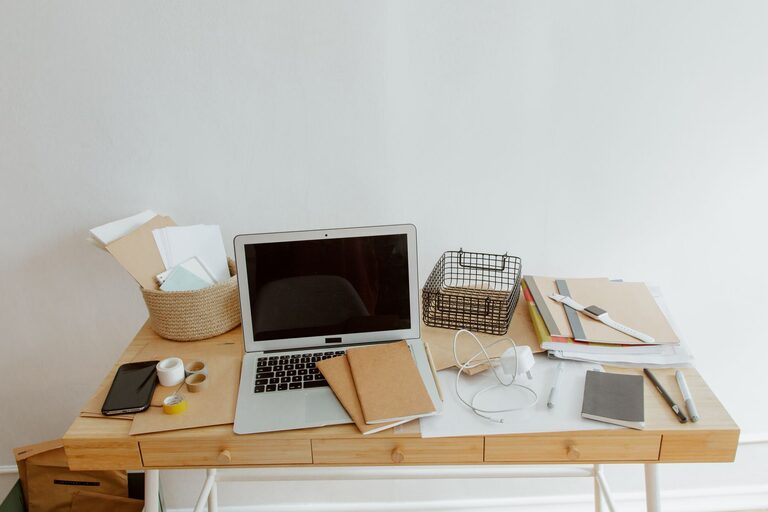
Clutter can distract and slow you down. Use storage solutions like shelves, filing cabinets, or desk organisers to keep documents and supplies tidy. Label your files and boxes for easy access.
Arrange your most-used items within arm’s reach to minimise unnecessary movement. Keep cables and chargers organised with clips or trays to prevent tangling.
Use Effective Lighting
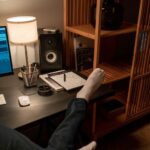
Proper lighting is crucial. Alongside natural light, a good quality desk lamp is essential, especially if you work in the evenings. Choose bulbs that offer a soft white or daylight colour temperature to reduce eye fatigue.
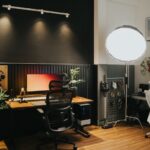
Avoid harsh overhead lighting that can cause shadows or glare on your screen. Multiple light sources are better than a single bright one.
Minimise Distractions
While working from home, distractions are common. Create boundaries by informing family members or housemates of your working hours. Use noise-cancelling headphones or play soft background music if this helps your concentration.
Switch off notifications on your phone or computer during focused work periods and consider apps that block distracting websites.
Personalise Your Workspace
Making your home office a pleasant place to be can improve motivation. Add some personal touches like plants, artwork, or photos that inspire you. Indoor plants, for example, can improve air quality and add a calming touch.
Choose colours that promote productivity: blues and greens are known to be calming, while yellows encourage creativity.
Set Up Technology Correctly
Ensure your technology supports your work efficiently. A fast and reliable internet connection is a must. Invest in a good quality monitor, keyboard, and mouse to reduce strain and increase speed.
Keep software and systems up to date, and back up your data regularly. Use tools like calendars, task managers, and communication apps to stay organised and connected with colleagues.
Plan Your Work Schedule
Creating a routine helps separate work from personal life. Set specific working hours and take regular breaks to avoid burnout. Use techniques such as the Pomodoro method (working in focused intervals with breaks) to maintain productivity.
Dress for work as if you were in the office – this can help shift your mindset into work mode.
Maintain Good Air Quality and Comfort
Fresh air and a comfortable temperature help you stay alert. If your space feels stuffy, open a window occasionally or use an air purifier. Adjust your room’s heating or cooling to a comfortable setting that supports concentration.
Keep a water bottle nearby to stay hydrated throughout the day.
Keep Movement in Mind
Long periods of sitting can negatively impact health. Incorporate small stretches or walking intervals during breaks. Using a balance ball, standing desk, or taking short walks can reduce stiffness and boost energy.
Review and Adjust Regularly
Your ideal workspace might change over time. Periodically evaluate your home office setup and identify what works and what doesn’t. Be open to reorganising or upgrading as needed.
—
By following these tips, you can create a home office environment that supports your work, keeps you comfortable, and increases your overall productivity. Remember, the best workspace is one that suits your individual needs and helps you feel motivated every day.