








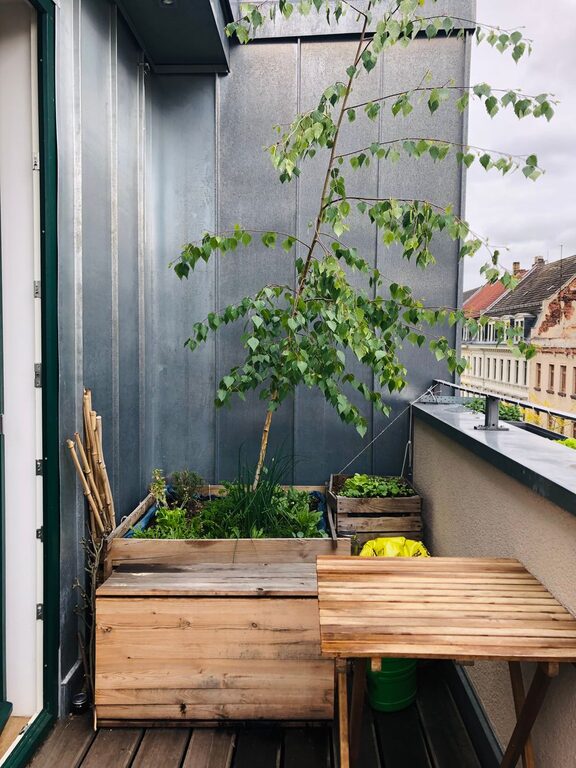
Creating a sustainable garden in a small urban space is a rewarding way to bring nature into your life while supporting the environment. Whether you have a balcony, courtyard, or rooftop, you can transform limited areas into thriving green spots. This guide provides practical tips to help you develop an eco-friendly garden that fits your urban lifestyle.
Understanding Sustainable Gardening
Sustainable gardening focuses on practices that are environmentally responsible, conserve resources, and promote biodiversity. It involves selecting local plants, reducing waste, using natural fertilisers, and minimising water use. In small urban spaces, these principles help you create a garden that is both beautiful and kind to the planet.
Assessing Your Space
Before you start planting, take a close look at your space:
– Sunlight: Note how much sunlight the area receives daily. This determines the type of plants suitable for your garden.
– Space and Layout: Consider the dimensions and shape of your space. Vertical solutions may work better for narrow balconies or patios.
– Access and Weight Limits: If you’re gardening on a balcony or rooftop, check weight restrictions and ease of access for watering and maintenance.
Choosing the Right Plants
Selecting plants that thrive in your conditions is essential. Here’s how to choose sustainably:
– Native and Adapted Plants: Native species require less water and care as they’re adapted to local climate and soil.
– Edible Plants: Growing herbs, vegetables, or fruit not only saves money but reduces food miles.
– Pollinator-Friendly Species: Flowers that attract bees and butterflies support urban biodiversity.
– Drought-Tolerant Varieties: These plants need less watering, making them ideal for water-conscious gardeners.
Maximising Space Efficiency
In small urban gardens, smart use of space is key:
– Vertical Gardening: Use wall-mounted planters, trellises, or hanging baskets to add greenery without taking up floor space.
– Container Gardening: Pots and containers allow flexibility and mobility. Choose suitable sizes to accommodate root growth.
– Stacked Planters and Shelves: These can hold multiple plants in compact areas.
– Multi-Purpose Features: Combine seating with planters or create garden beds with storage underneath.
Soil and Composting
Healthy soil supports strong plants. Here’s how to manage it sustainably:
– Use Organic Compost: Composting kitchen scraps and garden waste reduces landfill use and enriches soil naturally.
– Avoid Chemical Fertilisers: Opt for natural fertilisers like compost tea or well-rotted manure.
– Soil Testing: Occasionally test soil to maintain appropriate pH and nutrient levels.
– Mulching: Apply organic mulch to retain moisture, suppress weeds, and improve soil quality.
Water Conservation Strategies
Water can be limited in city environments, so efficient watering is important:
– Collect Rainwater: Use rain barrels or containers to capture runoff from roofs.
– Drip Irrigation: Provides precise watering with minimal waste.
– Watering Schedules: Water plants in the early morning or late evening to reduce evaporation.
– Choose Plants Wisely: As mentioned, drought-tolerant plants help minimise water use.
Avoiding Waste
Reducing waste in your garden benefits the environment:
– Recycle Materials: Use reclaimed wood, old containers, or pallets for planters and garden structures.
– Seed Saving: Collect seeds from mature plants to grow new ones.
– Avoid Single-Use Plastics: Choose durable materials for tools and containers.
Encouraging Wildlife
Small gardens can be biodiversity hotspots:
– Create Habitats: Include features like bird feeders, insect hotels, or small ponds.
– Plant Diversity: Mix flowering plants with shrubs and ground cover to support various creatures.
– Avoid Pesticides: Use natural pest control methods to protect beneficial insects.
Seasonal Care and Planning
Plan your garden to thrive through the seasons:
– Crop Rotation: Change plant locations annually to prevent disease and soil depletion.
– Succession Planting: Grow quick-maturing crops in between slower plants to maximise yield.
– Seasonal Cleanup: Prepare your garden for winter by mulching and protecting tender plants.
Benefits Beyond the Garden
Creating a sustainable garden in an urban space offers benefits beyond growing plants:
– Improved Air Quality: Plants filter pollutants, enhancing your local environment.
– Mental Wellbeing: Gardening reduces stress and promotes mindfulness.
– Community Engagement: Sharing your garden with neighbours can foster connection and education.
Final Thoughts
Sustainable gardening in small urban spaces is an achievable and fulfilling endeavour. By thoughtfully selecting plants, conserving resources, and encouraging wildlife, you can create a green haven that suits your lifestyle and supports the environment. Start small, experiment, and enjoy the process of transforming your urban corner into a vibrant, sustainable garden.