








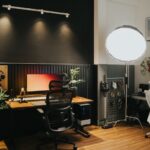
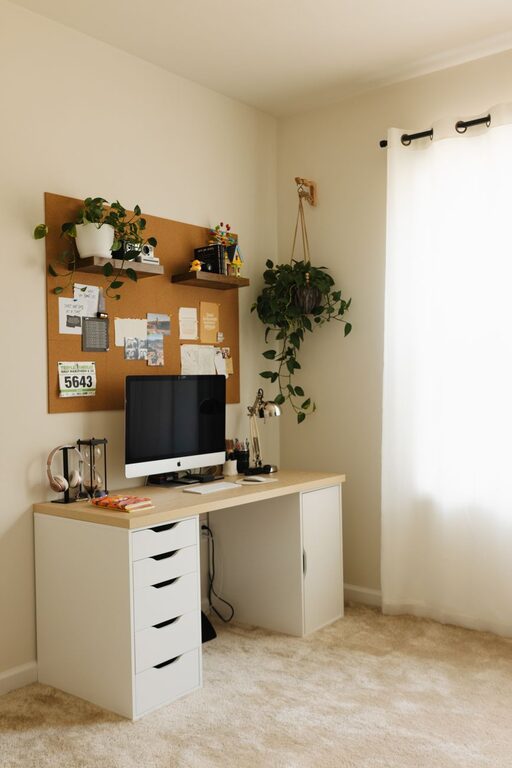
Creating a productive home office environment can make a significant difference in how efficiently you work and how comfortable you feel throughout the day. Whether you work remotely full-time or occasionally from home, having a dedicated, well-organised space helps separate work life from home life and keeps you motivated. Here are some practical tips to help you design a home office that enhances your productivity.
Choose the Right Space
Find a Dedicated Area
Choosing a quiet, separate space for your home office is key. Ideally, this should be a room or corner with minimal distractions. Avoid high-traffic areas where household activities might interrupt your work.
Consider Natural Light
Natural light helps improve mood and alertness. Position your desk near a window if possible. If natural light is limited, invest in good quality artificial lighting to prevent eye strain.
Invest in Ergonomic Furniture
Comfortable Chair
A supportive chair designed for long hours of sitting can prevent back and neck pain. Look for an adjustable chair that supports your lower back and allows you to keep your feet flat on the floor.
Suitable Desk Height
Your desk should allow you to work with your forearms parallel to the floor and your wrists straight. Adjustable desks or sit-stand desks provide flexibility to change positions during the day.
Minimise Clutter and Organise Efficiently
Declutter Regularly
A tidy workspace reduces distractions. Keep only essential items on your desk and store other materials neatly in drawers or shelves.
Use Organisers
Desk organisers, filing systems, and cable management solutions help keep your space organised. Consider label makers or colour-coded folders for easy access to important documents.
Set Up Technology Thoughtfully
Reliable Internet Connection
A fast and stable internet connection is vital for video calls, accessing cloud storage, and research. If necessary, upgrade your router or consider a wired Ethernet connection.
Essential Equipment
Invest in quality peripherals such as a keyboard, mouse, and headphones. Dual monitors can improve productivity by making it easier to multitask.
Manage Cables
Keep cables organised and out of sight to prevent mess and potential hazards. Use clips, ties, or cable boxes to bundle wires neatly.
Create a Comfortable Atmosphere
Control Temperature and Ventilation
Ensure your workspace is neither too hot nor too cold. Good ventilation keeps the air fresh, which helps with concentration.
Personalise Tastefully
Add a few personal touches like plants, artwork, or a favourite mug. Plants, in particular, can improve air quality and create a calming environment without cluttering the space.
Establish Boundaries and Routines
Define Work Hours
Set clear start and finish times to avoid overworking and to maintain a healthy work-life balance.
Create a Start-of-Day Ritual
Begin each day with a consistent routine to transition into work mode. This might involve reviewing your task list, making a cup of tea, or tidying your desk.
Take Regular Breaks
Use techniques like the Pomodoro method to take short breaks every 25-30 minutes. Stretch, walk around, or do a quick relaxation exercise to recharge.
Minimise Distractions
Manage Notifications
Turn off non-essential notifications on your phone and computer during focus periods.
Use Noise-Cancelling Solutions
Headphones or white noise machines can help block out background noise, especially if you don’t have a quiet room.
Optimise Lighting for Comfort and Focus
Layer Your Lighting
Use a combination of ambient, task, and accent lighting. Adjustable desk lamps allow you to direct light exactly where you need it.
Avoid Glare
Position screens and lights to minimise glare, which can cause eye strain and headaches.
Incorporate Healthy Habits
Stay Hydrated and Nourished
Keep a water bottle nearby and have healthy snacks on hand to maintain your energy levels.
Move Regularly
Incorporate short exercises or stretches into your breaks to reduce stiffness and improve circulation.
Conclusion
Setting up a productive home office environment involves careful planning and consideration of your physical comfort, organisation, and mental well-being. By selecting the right space, organising effectively, investing in ergonomic furniture, and establishing clear boundaries, you can create a workspace that supports consistent productivity and helps you maintain a positive work-life balance. Start with small changes and personalise your setup to fit your needs — a well-designed home office is an investment in your work success and happiness.